Garage Door Repair in Palo Alto, CA
Palo Alto homes often combine heavier insulated or wood-look doors with quiet openers and high daily use, so repair planning needs to distinguish door-weight problems from opener settings.
If the opener sounds strained or the door feels heavy by hand, the repair visit should separate spring balance, track movement, and opener settings before parts are replaced.
Quiet Operation
Grinding, squealing, or sudden vibration can point to rollers, hinges, spring balance, or opener rail strain.
Heavier Doors
Insulated and custom-style doors need matched springs and hardware; the opener should not be used to compensate for a door that is out of balance.
Sensor And Opener Checks
Photo-eye alignment, travel limits, wall controls, remotes, and keypad behavior are checked after the door moves freely by hand.
What The Repair Visit Checks
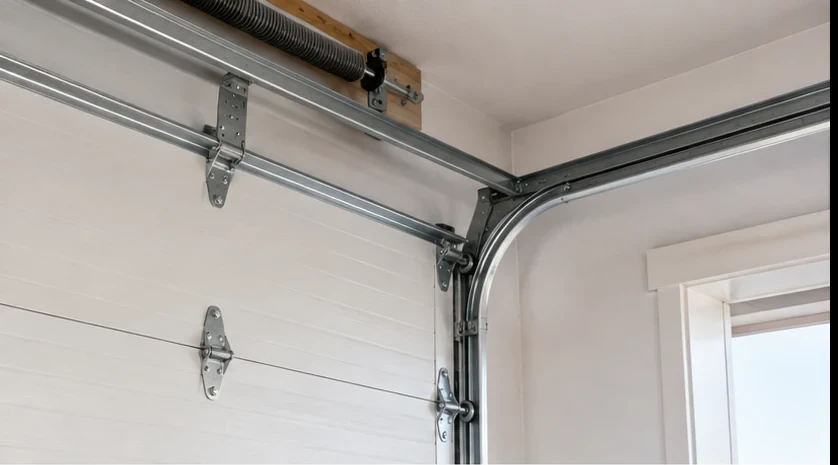
- Spring balance, cable wrap, hinge alignment, roller condition, track clearance, and panel movement.
- Opener rail, travel settings, safety reversal, photo-eye wiring, remote response, and keypad symptoms.
- Whether repair, adjustment, or replacement is the appropriate next step for the verified hardware condition.
The goal is to identify the actual cause of the door problem and explain practical repair options before any work begins.
Request Palo Alto Garage Door Repair
Garage Door Repair Palo Alto Details For Palo Al
This page is written for Palo Al garage conditions around nearby neighborhoods and surrounding Bay Area service areas. Typical considerations include sectional residential doors, attached garages, older hardware, opener accessories, and daily-use entry points, coastal moisture, warm inland afternoons, dust, and frequent commuter-hour door cycles, and routes such as local arterials, neighborhood streets, and nearby commute corridors. Those details support the existing page without changing the accepted phone identity, forms, title, H1, or canonical.
The added service context clarifies what the page is meant to solve, what a homeowner can safely observe, and when a normal service request is more appropriate than repeated opener testing or hardware handling. It is intentionally additive: the existing layout, calls, request form, tracking, and accepted page purpose remain in place.